Our Work

At the American Foundation Addiction:

Our Work "We don't just create programs; we replicate success. With a decade of proven evidence in Colombia, the American Addiction Foundation is now implementing in the United States a tested family intervention model, adapted for local communities

Community & School Prevention

Goals

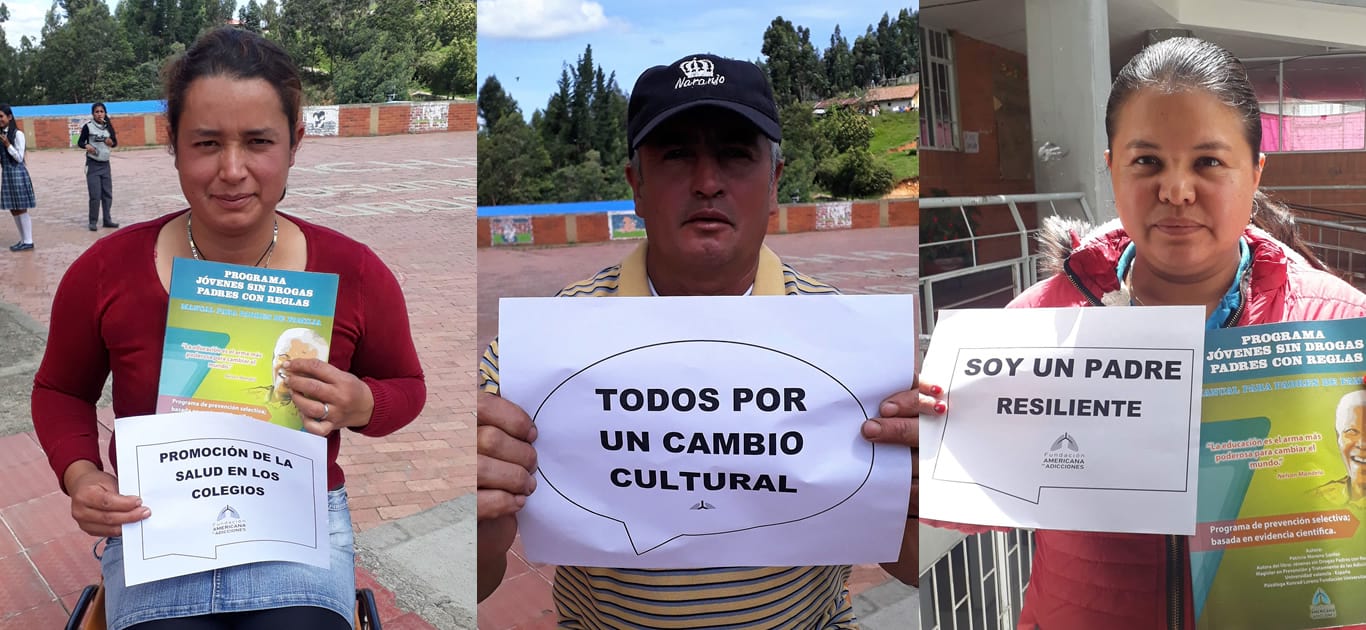
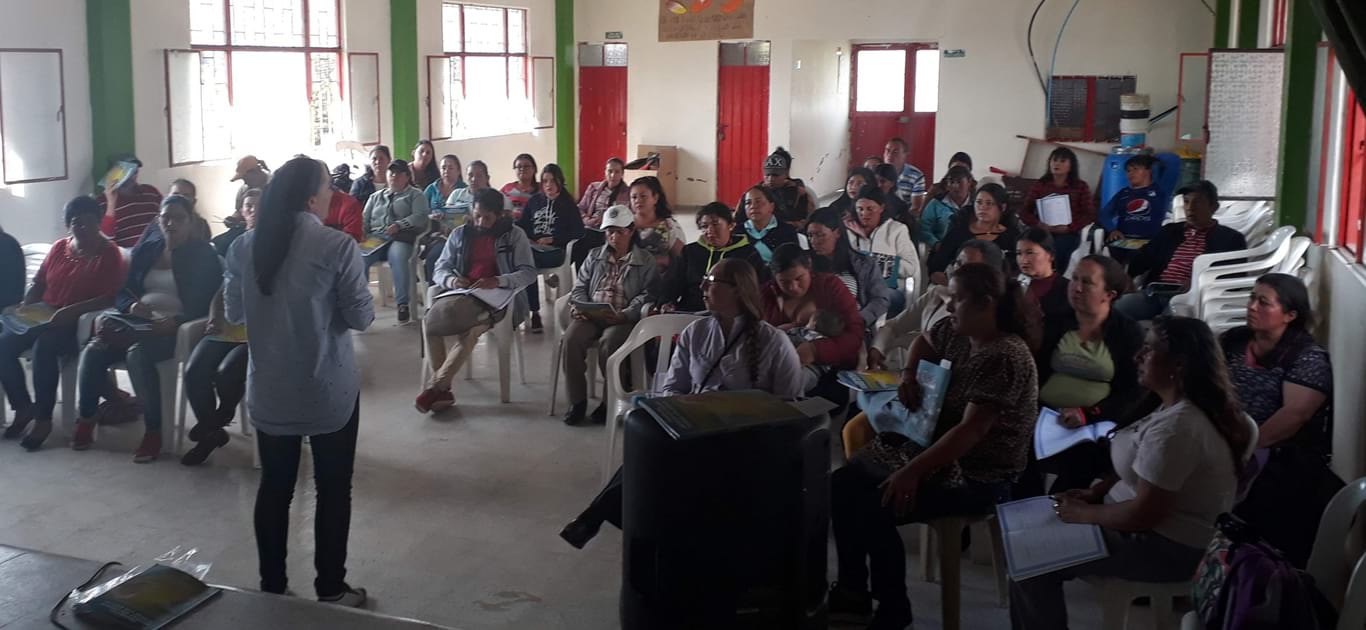
To reduce the risk factors that lead to early substance use and digital dependency. We implement a comprehensive prevention model that trains families in positive parenting and assertive communication, transforming the home and school into protective environments.

Statistics of consumption in the school environment

The most widely consumed illicit substance in Colombia is marijuana. Of the total number of illicit drug users, 87% are marijuana users. Approximately 62% of marijuana users are in school ages ranging from 12 to 24 years, this was evaluated by the Colombian Drug Observatory in 2017.
When the Silence Screams

Goals

We challenge the social silence that allows violence to grow. Our program acts before victims exist, training communities —with a special focus on children, girls, and women— to identify, name, and stop the first manifestations of abuse, whether sexual, financial, or emotional. We thus block patterns of manipulation before they escalate, building resilient community barriers long before the first scream is necessary.

Combat burnout by optimizing workplace well-being to maximize productivity. Our program—validated with companies—significantly reduces chronic exhaustion and transforms toxic stress into tools for sustainable wellness. This demonstrates that a worker who manages their stress is not only more productive but also carries that stability to their family, consequently building more resilient homes.

Free-Mind Program

Goals

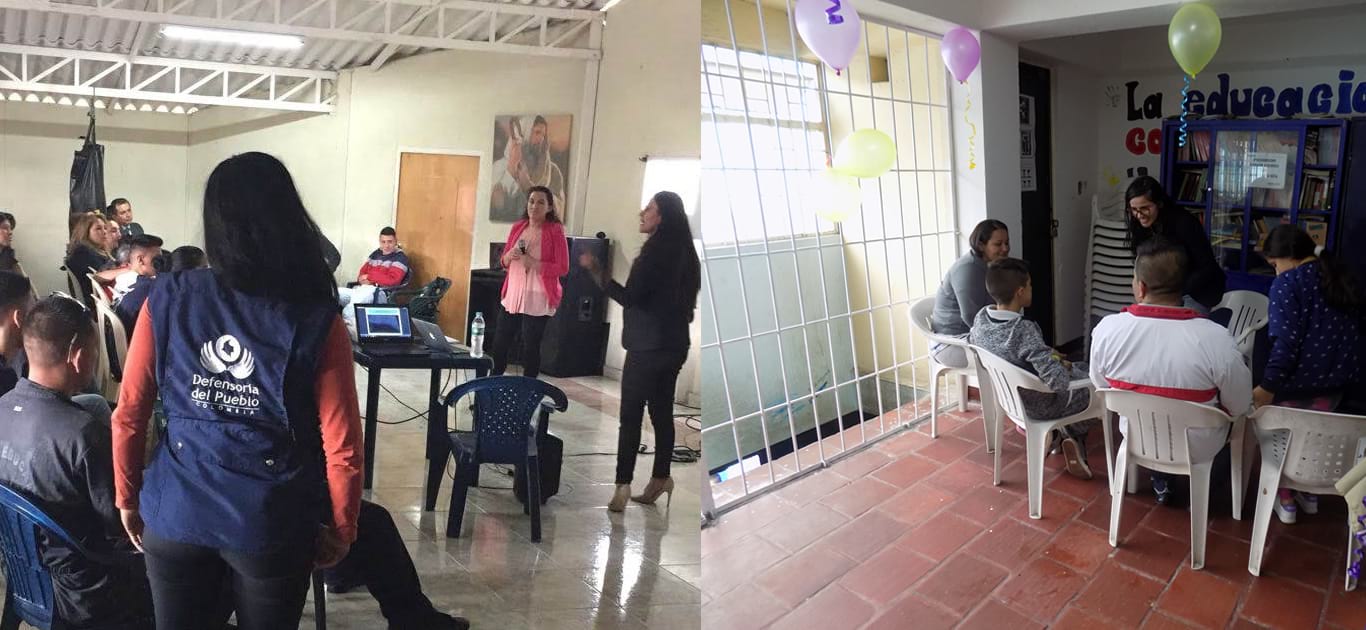
Provide adolescents processed by the SRPA with a series of psychological tools to increase achievement motivation through resilience, to modify their behaviors related to the abuse of psychoactive substances, increase their abilities to lead a healthy life, in order to guide adolescents in planning and preparing their life project away from crime and drug use.

Statistics of consumption in the SRPA

For the year 2016, according to ICBF data, 22,198 adolescents entered the SRPA for allegedly committing crimes, of which 87.15% (19,346) were men and 12.85% women. 60% of adolescents prosecuted by the criminal responsibility system for adolescents SRPA report having committed the crime under the influence of some psychoactive substance; 66.5% assure that they would not have committed the crime if they had not consumed; and 23.8% say they committed the crime to buy SPA. Drug Observatory of Colombia 2017.

Educate yourself and free yourself from Drugs Program

Goals

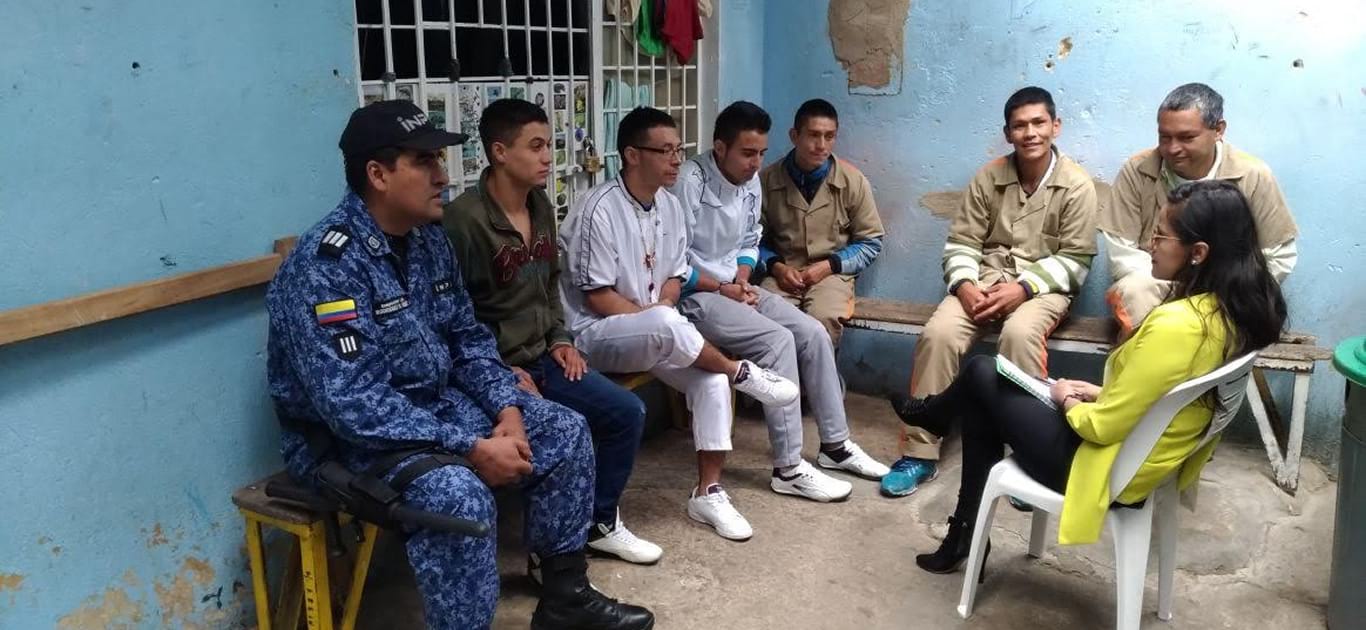
Reduce the damage caused by drug use in persons deprived of their liberty in prisons.

Statistics of consumption in penitentiary centers

In relation to the right to health, the prevalence of drug use in prisons amounts to 60% (UNODC, 2016), as well as other diseases such as HIV and tuberculosis is up to 20 times higher behind bars. Only 73 of the 138 prisons in the country have medical personnel for intramural care.